What to Eat After Surgery?
Why are my dietary needs after surgery?
Surgery places increased demands on the body. It has been shown that measures to reduce the stress of surgery can minimize loss of muscle mass and allow patients to recover substantially better and faster so they can back to normal life as quickly as possible.
Often after surgery hunger is reduced or absent, one of the main objectives is in fact to re-establish eating healthy as early as possible after surgery.
Just like an athlete has to recover after a big event by eating well, your recovery will be improved by eating well. It is therefore very important to eat a well-balanced and healthy diet after surgery.
A “Mediterranean” diet, is recognized as a diet that modulates inflammation and
correlates with optimal health. It is also a good idea to increase protein and fiber intake, and make sure you are getting antioxidants.
What is a “Mediterranean” Diet?
The Mediterranean diet has been shown many health benefits such as a decrease in the risk of cardiovascular disease, and cancer, and improved cognitive health.
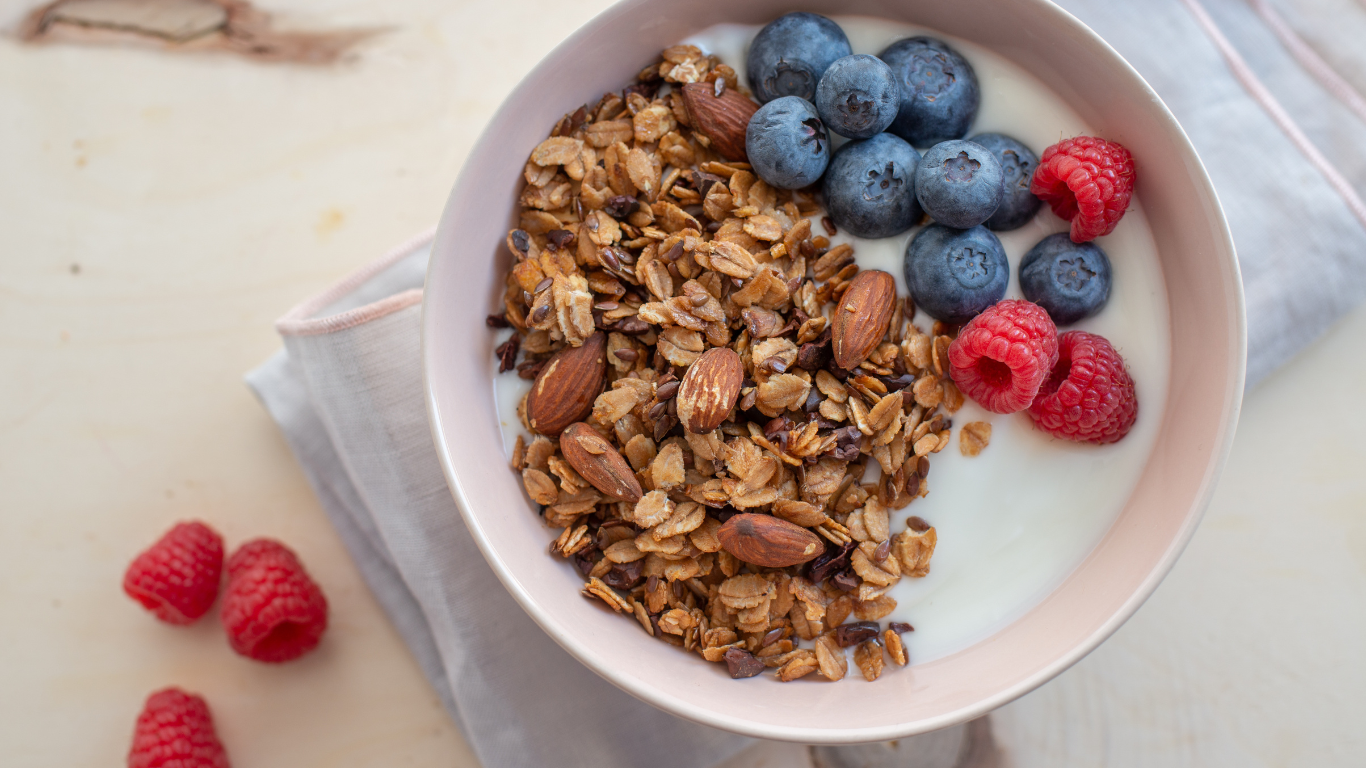
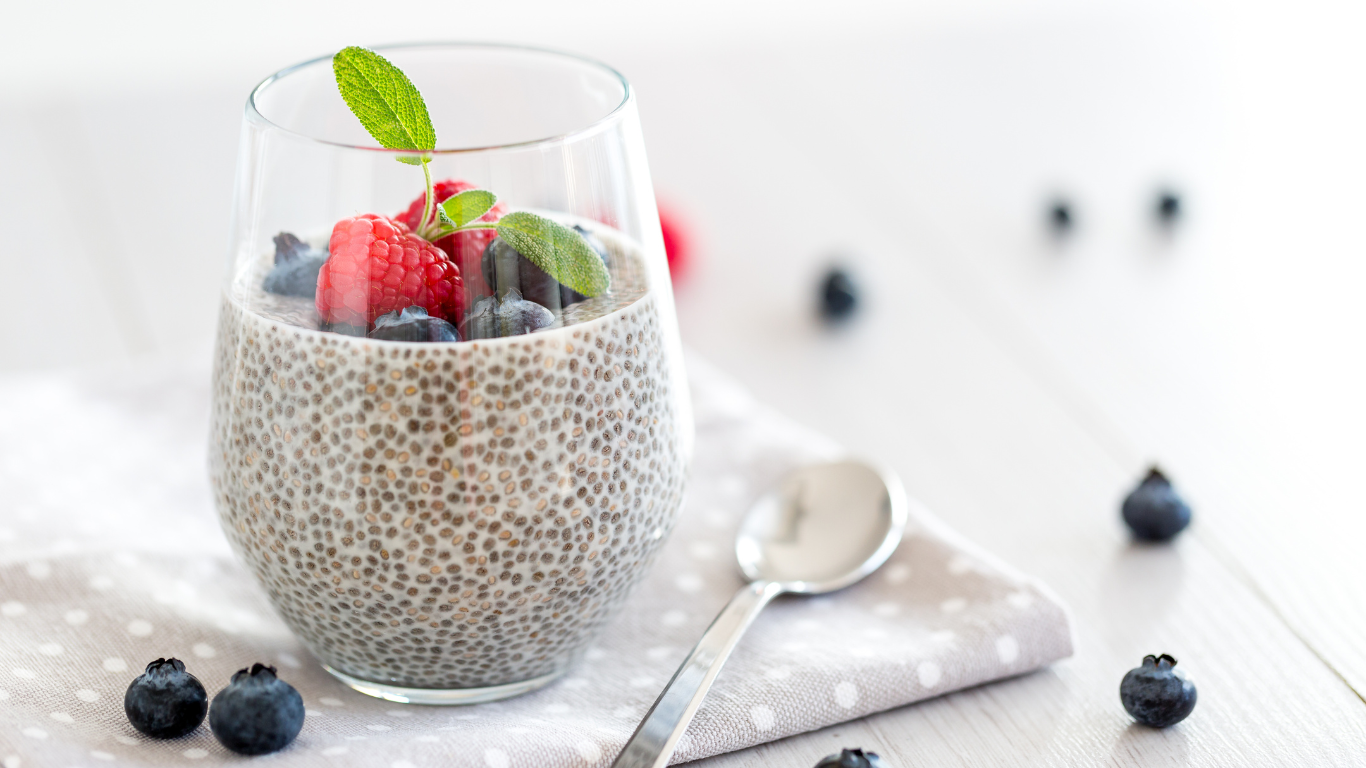
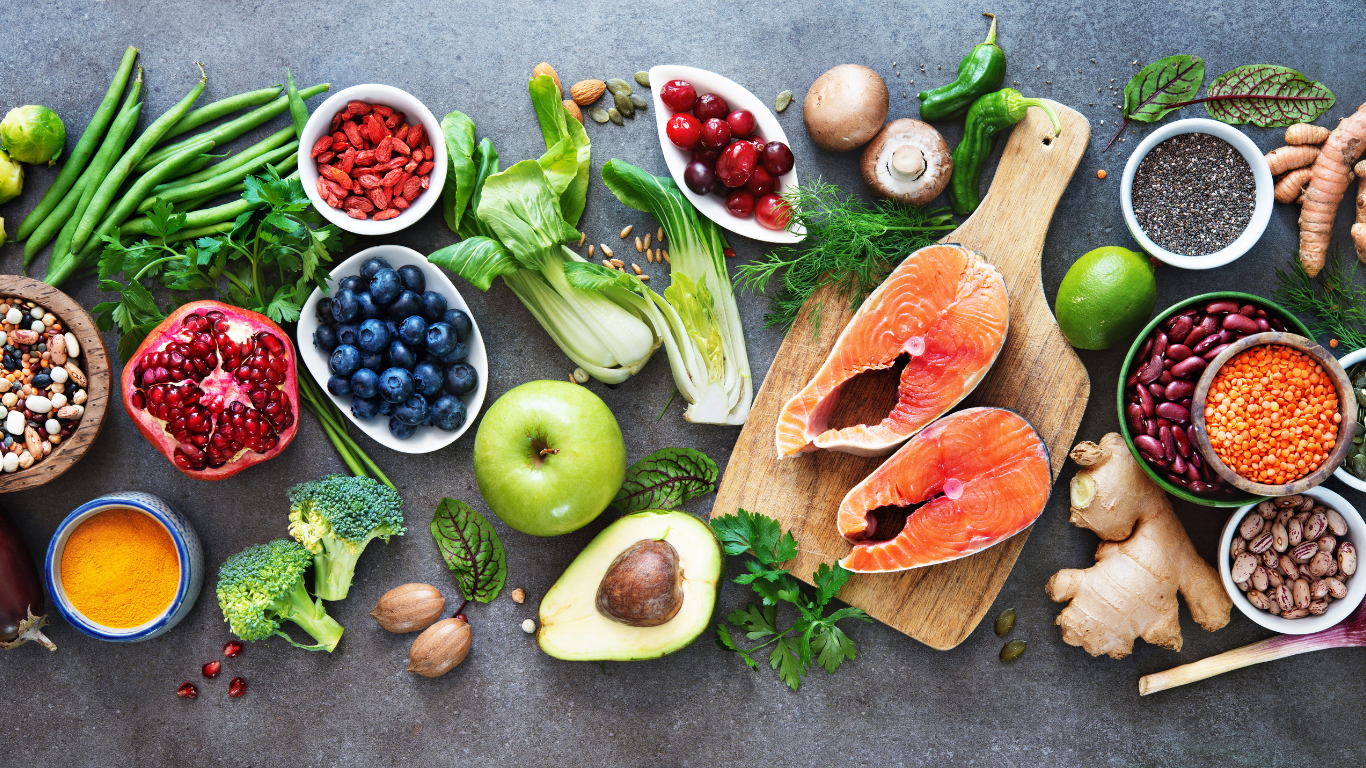
The Mediterranean diet is a plant-based diet. It encompasses consumption of abundant seasonal vegetables, olive oil for cooking or seasoning (main fat source); fresh seasonal fruit consumed as a desert; regular consumption of nuts and seeds (either as part of the recipes or as healthy snacks); consumption of legumes several times weekly; whole cereals daily; consumption of moderate portions of fish two to three times weekly; dairy (yogurt, milk, cheese) only in limited amounts; spices and herbs to flavor recipes infrequent consumption of sweets (a few times weekly); moderation of red and processed meat; three to four eggs weekly; use plenty of water as beverage; and drinking wine in moderation.
A hallmark of Mediterranean Diet is the inclusion of unprocessed foods, which are full of healthy nutrients, as opposed to Western dietary patterns, which are rich in processed and ultra-processed foods and full of calories, but very poor in nutrients (“empty calories”). The common Western diet is linked to a high risk of obesity, inflammatory disease, and worsening of cognitive function.
How much protein should I consume and how?
The stress response of surgery leads to protein breakdown or catabolism. Additionally, inactivity leads to loss of muscle tissue within 48 hours. This breakdown is higher in adults over the age of 45. Thus, of the most important things after surgery is to increase protein intake.
However, appetite is often reduced after surgery, making it difficult to reach protein
needs.
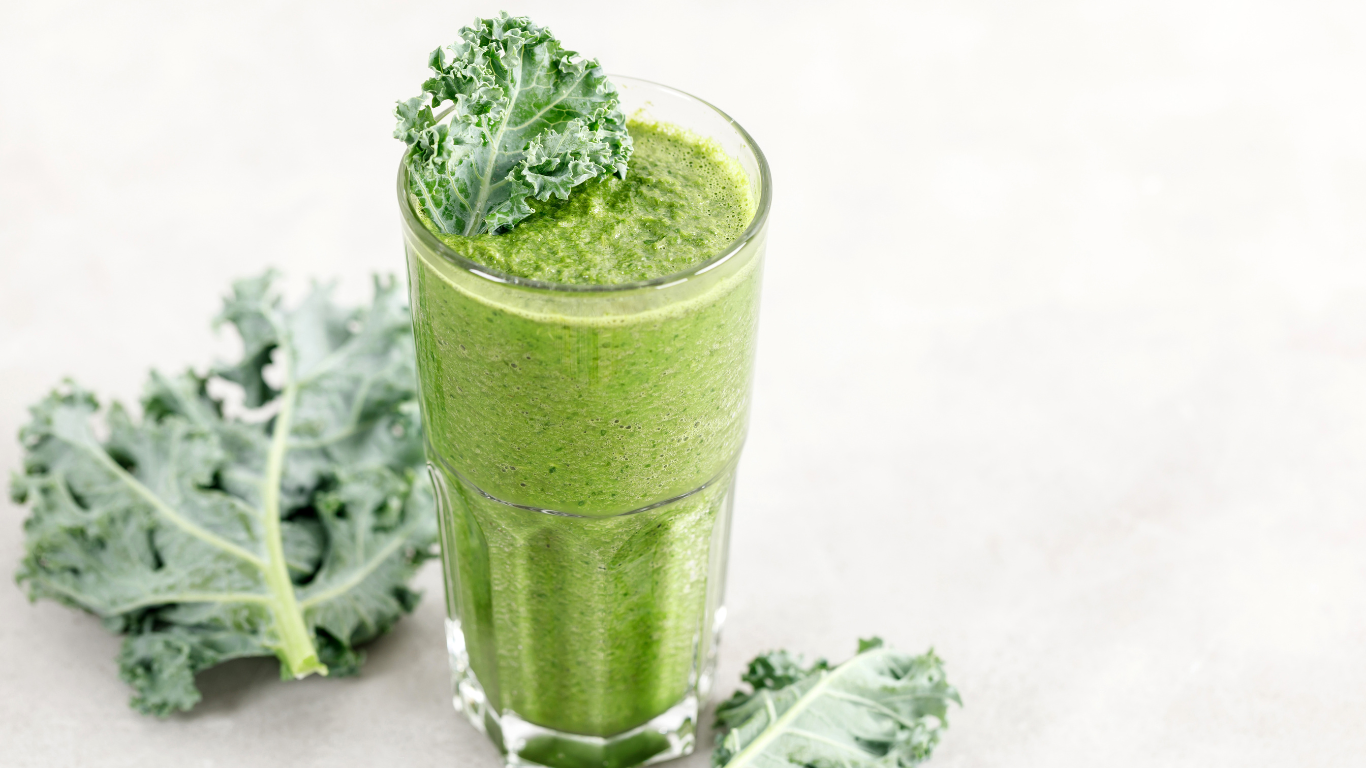
Thus, a dietary strategy after surgery is to increased protein intake via the use of protein shakes, or smoothies with fruit, milk and yogurt.
Normally, total protein intake should be 1.2-2.0 grams per kilogram of body weight per day. For a person of 70 kg, or 154 pounds, this equates to 84 to 154 grams of protein per day. After surgery, protein requirements increase by up to 50%. Thus, a person weighing 70 kg should consume 112 to 210 grams of protein per day.
Useful nutritional advice to achieve this goal is as follows:
- Consume balanced meals starting from breakfast with protein sources at each point such as Greek yogurt, low fat milk, white eggs, scrambled eggs, turkey and chicken breast, or hummus.
- Consume a protein snack before and after the rehabilitation sessions.
- Have two snacks a day to increase your eating windows such as between breakfast and lunch and between lunch and dinner.
Why is fiber important?
Fiber helps improve digestion and can prevent constipation, which is a common
problem after surgery. Constipation is caused by anesthesia and by taking narcotics. Foods that are high in fiber include fruits, vegetables, whole grains, and legumes.
Fiber also helps support the intestinal microbia, the bacterial populations that live in our gut and which regulate health, immunity, physical and mental well-being and even muscle growth. An excellent strategy to "feed" our good bacteria is not only to always consume a portion of fiber at all meals, but to vary the color of fruit and vegetables. Seasonal vegetables are preferred as they are rich in the minerals and vitamins they receive from natural cultivation.
Why are antioxidants important?
Antioxidants help lower inflammation and help protect your cells from damage. Foods high in antioxidants include fruits and vegetables. Among these, those of red, blue, or purple color such as red peppers, blueberries, blackberries, berries, or strawberries, are ideal. Berries are also a great source of Vitamin C which has been shown to help with pain after surgery. Dark chocolate, consumed in moderation, is also an excellent source of antioxidants!
Another optimal source of substances that modulate inflammation are foods rich in omegas. Omegas are found in almonds, nuts, seeds, avocado, and fresh salmon.
What should I avoid eating after surgery?
It is always best to avoid sugary foods. But especially for at least 2 weeks after surgery it is advisable to avoid high sugar foods such as soda, candy, and desserts.
It is advised to limited alcohol consumption after surgery. In addition to the negative effects on the body, alcohol increases protein catabolism and reduces sleep, which are very important in the recovery phase.
Water intake is important. Frequent hydration helps support the body during
rehabilitation.
After surgery is NOT a time to restrict calories, be on a ketogenic diet, intermittently fast. The latter has been shown to decrease athletic performance for instance.
Why is protein intake important after surgery?
Surgery places increased demands on the body. This stress response leads to
protein breakdown or catabolism. Additionally, inactivity leads to loss of muscle tissue within 48 hours. This breakdown is higher in older adults. Protein intake is thus important for decreasing stress on the body, improving healing, and lowering muscle wasting. It is estimated that people undergoing surgery only consume about 22 to 36% of estimated requirements after surgery or injury.
Protein supplementation can help lower the muscle breakdown that occurs from inactivity after surgery or injury. Post-surgery supplementation with protein lowers protein breakdown by approximately 20%. Protein supplementation has also been shown to reduce length of stay in the hospital and infection after colorectal surgery.
When should protein supplementation start?
Ideally, one begins protein supplementation 7-14 days prior to surgery. This
provides a loading effect that can help prevent muscle breakdown after surgery.
However, if you had an injury or were unable to plan for surgery in advance,
starting protein immediately after surgery is beneficial based on several studies.
How long should protein supplementation be used after surgery?
The answer likely varies by the type of surgery and overall health. Data suggests
that the most important period is the first 4 of weeks after surgery. Some data
shows that up to 3 months of supplementation can be beneficial.
How much protein should be taken prior to surgery?
Total protein intake should be 1.2-2.0 grams per kilogram of body weight per day.
For a person of 70 kg, or 154 lbs, this equates to 84 to 154 grams of protein per
day. Typically this should occur with 20 to 40 grams of protein in one sitting. Our
packs contain 25 grams of protein. Alone they do not meet all of your protein
needs. We recommend people are consuming an additional 60 to 130 grams of protein per day via breakfast, lunch, and dinner.
How much protein should be taken after surgery?
Total protein intake should be 1.6-3.0 grams per kilogram of body weight per day. For a person of 70 kg, or 154 Ibs, this equates to 112 to 210 grams of protein per day. Typically this should occur with 20 to 40 grams of protein in one sitting. Our packs contain 25 grams of protein. Alone, they do not meet all of your protein needs. We recommend people are consuming an additional 90 to 180 grams of protein per day via breakfast, lunch, and dinner. One challenge is that appetite is often suppressed after surgery. Thus, protein shakes can be good way to obtain needed protein despite a low appetite. Another approach is to combine OptiFuel with our Recovery and Strength Mix. The latter provides additional amino acids and can be taken separately from OptiFuel.
Is timing of protein intake important after surgery?
If you are doing physical therapy it is recommended to consume your protein
shake 15-45 mins prior to physical therapy if possible.
What type of protein is important after surgery?
Animal sources of protein have higher bioavailability. Whey protein is considered
one of the highest quality sources because it is over 50% essential amino acids.
Important amino acids are Leucine and Glutamine which have been shown to be
very important to prevent muscle breakdown.
What is Leucine?
Leucine is an essential amino acid that is a key mediator of muscle synthesis.
Why is Leucine Important?
Maintenance of muscle hinges on the balance between protein synthesis and
breakdown. To increase muscle, synthesis must exceed breakdown. Several studies have shown the Leucine protects muscle from breakdown during rest (such as that required after surgery) by acting as a trigger for protein synthesis. Consumption of Leucine increases muscle synthesis by 2.5x.
Leucine can improve recovery from surgery. For instance, one study evaluated patient mobility after hip surgery. 81% of those who took Leucine after surgery were mobile 2 weeks after surgery, compared to only 27% in those patients who did not have Leucine supplementation. 1 In other words, those who took Leucine were nearly 3x more likely to be mobile after hip surgery. Leucine has also been shown to decrease surgical incision healing time and decrease inflammation.
How much Leucine should be taken?
OptiFuel and Recovery and Strength Mix both contains 3g of Leucine, the
amount that is recommended in scientific studies. Some protocols have
evaluated taking this amount twice per day between breakfast and lunch, then
again between lunch and dinner. Thus it is possible to actually "double-up" on
OptiFuel and take it twice per day, OR take OptiFuel once per day and take the
Recovery and Strength Mix once per day.
What is Glutamine?
Glutamine is the most abundant free amino acid in the body.
Why is Glutamine Important?
When the body is under stress, muscle is broken down to provide energy and
essential functions. Glutamine is a key component that is broken down. Supplementation with Glutamine can thus help prevent muscle breakdown.
In elective surgical patients the addition of Glutamine has been shown to reduce
length of stay in the hospital. In other words, Glutamine supplementation
improved the speed of recovery. Glutamine supplementation has also been shown to improve immune function. In one study, people who took 7 grams of Glutamine a day for 30 days prior to surgery had reduced inflammatory levels. These patients also had quicker recoveries after heart surgery. Additionally, glutamine supplementation has been shown to reduce the risk of infection after surgery.
How much Glutamine should be taken?
- OptiFuel contains 3.7grams of Glutamine.
- Recovery and Strength Mix contains 2.6 grams of Glutamine.
Taking both would provide 6 grams a day. It is safe to supplement up to 45
grams per day.
How long should Glutamine be taken after surgery?
This depends on the severity of surgery and age. The most critical period is the
first couple of weeks after surgery. For young individuals undergoing minor
surgery, we recommend Glutamine for 1-2 weeks prior to surgery for loading
followed by 2-3 weeks after surgery. However, for older individuals and with more significant surgery, up to 3 months may be ideal based on studies.