
Nutrition for Achilles Tendon Recovery: Support Healing, Protect Strength
Medically reviewed by Dr. Patrick Denard, orthopaedic surgeon, on October 8, 2026
Short answer: For Achilles tendon repair, focus your supplements on three things: protein, collagen and vitamin C. Your tendon is built from collagen, and your body needs amino acids and vitamin C to make it.[1] Start daily protein about 1 week before surgery, keep it going through the boot weeks, and let your surgeon set the timeline.
Your surgical team's instructions come first. This guide covers why nutrition matters after an Achilles rupture, what the collagen research actually tested, what the weeks after you start look like, and how to keep your calf in the picture while you are in a boot. For the wider list of nutrients people ask about after any operation, see our guide to the best supplements for surgery recovery. Having a different foot or ankle procedure? Our foot and ankle surgery nutrition guide covers it.
Why Nutrition Matters for Achilles Recovery
Your Achilles tendon is built from collagen, and healing it after a rupture or surgery is a collagen-building process that runs for months. That work depends on raw materials: the amino acids that make up collagen, plus vitamin C, the essential cofactor your body uses to build it.[1] When those are in short supply, the building blocks for healing aren't there.
There's also the boot. Weeks of immobilization mean your calf muscle isn't working the way it normally does, and muscle that isn't used fades quickly, exactly when you'll need it for rehab. In one study of healthy young men, just 5 days in a leg cast reduced thigh muscle size by about 3.5% and strength by about 9%; after 14 days the losses were about 8% and 23%.[2] Protein gives you the raw material to rebuild that muscle once you are loading again, although short immobilization studies have not shown that extra protein stops the loss while the leg is still immobilized.[3] This isn't about doing more on your own; it's about giving your body what it needs, in a way that's simple to keep up alongside your rehab.
How much protein? European clinical nutrition experts (ESPEN) estimate that surgical patients need about 1.5 g of protein per kg of ideal body weight per day.[11] For a 70 kg ideal weight that is 70 x 1.5 = 105 g a day. One OptiFuel packet (25 g) covers about a quarter of that (25 / 105 = 24%); the rest comes from meals. If you have kidney disease or have been told to limit protein, ask your doctor for your number.
Collagen and Vitamin C for Achilles Repair: What the Studies Tested
Collagen with vitamin C comes up in almost every conversation about Achilles repair, so it helps to see exactly what has been studied. These are the two studies this page relies on. Neither involved tendon repair surgery or Thrive products.
| Study | Who took part | What they took, and when | What was found | After surgery? |
|---|---|---|---|---|
| Shaw 2017 [5] | 8 healthy men | 5 g or 15 g of vitamin C-enriched gelatin, or placebo, 1 hour before 6 minutes of rope skipping, 3 times a day for 3 days. The 15 g dose doubled the collagen marker. | A blood marker of collagen production doubled | No |
| Praet 2019 [6] | 20 people with Achilles tendinopathy, a non-surgical tendon condition | Specific collagen peptides or placebo for 3 months alongside a twice-daily calf-strengthening program, then the groups swapped. Function scores (VISA-A) rose 12.6 points with collagen first vs 5.3 points with placebo first. | Linked to faster gains in pain and function scores | No |
What this means for you: the evidence is early and small. It supports the idea that collagen building blocks plus vitamin C, taken around activity, give your body raw material to work with. It does not show that any supplement makes a repaired tendon heal faster. Once you are cleared for rehab exercises, taking your protocol around that activity is a reasonable approach.[5]
Your Three-Phase Protocol
Phase 1: Prepare (1 week before surgery)
Daily OptiFuel, protein rich in leucine and glutamine, with vitamins including vitamin C, omegas, collagen, and curcumin, helps build your reserves before surgery, so you go in with strength to protect and the building blocks for healing in reserve. Each packet has 25 g of whey protein and 3 g of leucine. Mix one packet a day, between meals, with 12 to 16 oz of water, milk or non-dairy milk. For what to eat around it, see our guide to pre-surgery nutrition.
Phase 2: The Night Before Surgery
OptiCharge, your pre-op carbohydrate drink, helps your body maintain energy and start surgery fed rather than fasted. If your surgical team approves it, mix each of the 2 packets with 12 to 16 oz of water (never milk) and drink both at bedtime the night before surgery. In a Cochrane review of 27 trials in elective surgery, a carbohydrate drink before surgery was linked to a small reduction in hospital stay (about 0.3 days) and better insulin sensitivity afterward, with no change in complication rates.[4] (Always follow your surgical team's specific fasting instructions.) Our carb loading drink guide explains how to choose one and when to drink it.
Phase 3: Heal & Rebuild (the weeks and months after surgery)
Daily OptiFuel continues through recovery, when your tendon is healing and your calf is at risk in the boot. The collagen and vitamin C in the formula supply raw materials your body uses to make collagen.[1] Protein and amino acids supply the building blocks for the calf muscle you'll rebuild in rehab. Restart it once you are eating again after surgery.
Surgery still ahead? Get the Surgical Protocol Kit. It includes daily OptiFuel packets plus OptiCharge, the pre-op carbohydrate drink, and ships to your door before surgery day. 4-week $299.99, 3-month $499.99, 6-month $669.99. HSA/FSA eligible.
Ideally, everyone on the Surgical Protocol Kit also takes the Recovery & Strength Mix daily.
Already had surgery? Start with the Recovery Protocol Kit. It is the same daily OptiFuel without OptiCharge: 4-week $289, 3-month $499, 6-month $669.
Comparing options first? Read our honest Surgical Protocol Kit review, including who it is not for.
Thrive Protocol makes the products named on this page.
These statements have not been evaluated by the Food and Drug Administration. This product is not intended to diagnose, treat, cure, or prevent any disease.
Supplement safety before surgery
Thrive kits contain fish oil (omega-3s) and turmeric (curcumin) in low amounts. The evidence does not show that these amounts cause bleeding, so there is no need to stop OptiFuel before surgery. Show your surgeon and anesthesia team the full ingredient list before you start. Their instructions come first, especially if you take a blood thinner.
A few more checks. OptiFuel is whey-based and contains milk. If you take insulin, get your physician's approval before using OptiCharge, and read our guide to glucose control after surgery. If you have been told to limit protein, for example because of kidney disease, ask your doctor before starting any protein supplement or creatine.
What Happens After You Start: A Realistic Timeline
Here is what the protocol looks like day to day, from the week before surgery through rehab. Your surgeon and physical therapist decide when you move from a splint to a boot, when you can put weight on your foot and when the boot comes off. That timing varies from person to person, so use the stages below, not dates.
| When | What you do | What to expect |
|---|---|---|
| About 1 week before surgery | One OptiFuel packet a day, between meals. Show your surgical team the ingredient list. Ask your surgeon whether to check your vitamin D. In one large hospital study, 43% of orthopaedic surgery patients had low vitamin D, and the rates were highest in the trauma (66%) and sports medicine (52%) services.[12] | A simple daily habit, so you go in with reserves to draw on rather than starting from behind. |
| The night before | If approved, 2 OptiCharge packets at bedtime, each in 12 to 16 oz of water. Then follow your fasting instructions exactly. | You start surgery fed rather than fasted. In trials this was linked to about 0.3 fewer days in hospital [4]. Treat it as good preparation, not a guarantee. |
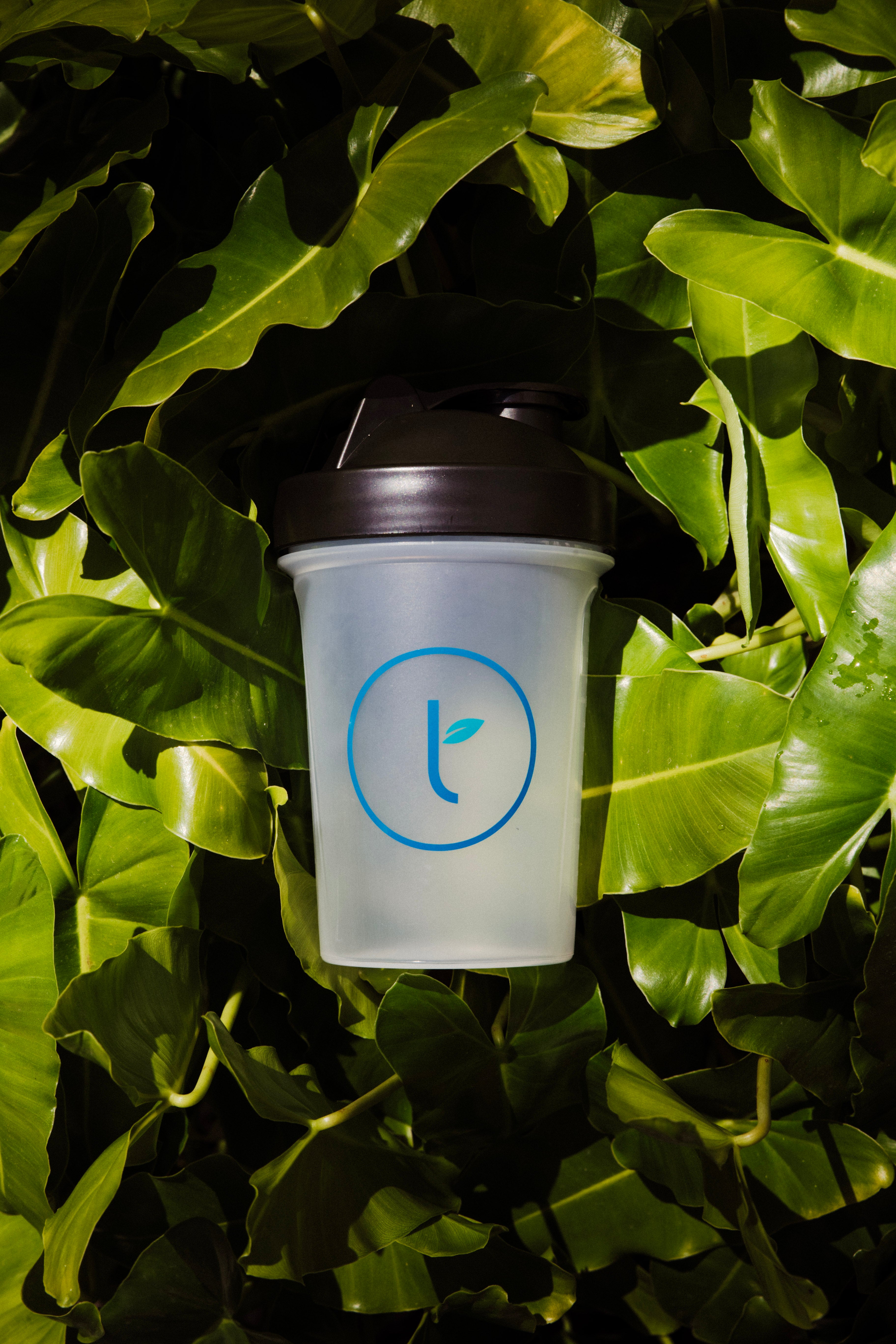
| First days home | Restart OptiFuel once you are eating again. Keep a shaker and water near where you rest with your foot up. | You may be on crutches or keeping weight off your foot, depending on your surgeon's plan. A packet in a shaker gets you 25 g of protein without standing at the stove. |
| The boot weeks | One OptiFuel packet daily, between breakfast and lunch. If you add the Recovery and Strength Mix, take it between lunch and dinner. | Some calf muscle loss is expected while your leg is immobilized [2]. Protein supplies building blocks, but it has not been shown to stop that loss on its own [3]. |
| Cleared for rehab exercise | Keep daily OptiFuel going and consider taking it around your exercise sessions. Follow your therapist's loading plan. | This is when rebuilding starts. Protein gives your body raw material to rebuild calf muscle once you are loading again [3]. |
| The months after | Continue through your strength-building phase, with the Recovery and Strength Mix if you are using it. | Tendon healing runs for months, and calf and lower-leg strength takes months to rebuild after an Achilles repair. Progress is gradual and varies from person to person. |
Typical milestones, for context. MedlinePlus, the US National Library of Medicine's patient site, says to keep your leg raised as much as possible for the first 2 weeks after Achilles repair, to ease swelling and help the wound heal. It says most people can resume full activity in about 6 months, and that full recovery takes about 9 months.[9] Its aftercare page adds that, with physical therapy, most people return to normal activity in 4 to 6 months.[10] Your surgeon's own timeline comes first.
What daily use looks like on crutches. Getting to the kitchen is the hard part, so set things up before surgery day. Keep a shaker, a few packets and a water bottle within reach of your chair or bed. Ask a helper to mix your packet, or mix it at the counter while you lean on it, then sip it with your foot up. OptiFuel mixes thin enough to drink through a straw, and it blends into a smoothie if you get tired of plain shakes; our quick OptiFuel recipes have ideas. For the rest of your day at home, from sleep to staying comfortable, see our top recovery tips.
These statements have not been evaluated by the Food and Drug Administration. This product is not intended to diagnose, treat, cure, or prevent any disease.
Calf Muscle in the Boot: What Nutrition Can and Cannot Do
If losing your calf in the boot worries you, here is the honest picture from the studies cited on this page.
What to expect. Muscle that isn't used fades quickly. In healthy young men, 5 days in a leg cast cost about 3.5% of thigh muscle size, and 14 days cost about 8% of size and 23% of strength.[2] Some calf loss in the boot is normal.
What nutrition can do. Protein gives your body the raw material to rebuild that muscle once you are loading again.[3] That is why the protocol keeps going after the boot comes off, not just during it.
What it cannot do. Short immobilization studies have not shown that extra protein stops the loss while the leg is still immobilized.[3] Creatine has mixed results: it reduced muscle and strength loss in a 7-person arm-cast study,[7] but not in a 30-person randomized leg-cast trial.[8] Your rehab work is what rebuilds the calf. Nutrition supports it.
Where creatine looks more useful: the rebuild. In a study of 22 healthy young adults whose leg was in a cast for 2 weeks, thigh muscle size and power came back faster during 10 weeks of rehab exercise with creatine than with a placebo.[13] It worked alongside the exercise, not instead of it. These were healthy volunteers, not surgery patients. If you have kidney disease, check with your doctor before using creatine; in healthy people, a review of kidney studies found no sign of kidney damage. Tell your doctor you take creatine before any blood work.[14]
Rebuilding for return to activity? Add the Recovery & Strength Mix
As you move from early healing into strength-building and return-to-activity training, the Recovery & Strength Mix adds amino acids and 5 g of creatine a day to support muscle and strength gains, especially the calf and lower-leg strength that takes months to rebuild after an Achilles repair. It is the only Thrive product with creatine. It's offered as a 30-day supply ($49.99), with a subscription option so you can keep it going through the rebuild. A natural complement to OptiFuel as you train your way back.
These statements have not been evaluated by the Food and Drug Administration. This product is not intended to diagnose, treat, cure, or prevent any disease.
Built Into Your Recovery, Not Added On
Thrive Protocol was developed by surgeons to fill a real gap in surgical care, and it's designed to work hand-in-hand with the plan your surgical and rehab teams already have for you. Surgery repairs your tendon. Physical therapy rebuilds your strength and loading. Nutrition gives your body the resources to make both succeed.
One packet a day. Mixed into water or a smoothie. Delivered before your surgery date.
You've got a long rehab ahead. Let the protocol handle the nutrition so you can focus on the work.
Frequently Asked Questions
What supplements should I take after Achilles tendon repair?
Focus on protein, collagen and vitamin C. Tendon is built from collagen, and your body uses amino acids and vitamin C to make it.[1] Protein also supplies the building blocks for the calf muscle you will rebuild in rehab. OptiFuel combines protein, collagen and vitamin C in one daily packet, and the Recovery & Strength Mix adds creatine for the strength-building phase, though creatine results in cast studies have been mixed.[7][8] Show your surgeon everything you plan to take.
Does collagen help an Achilles rupture heal, and when should I take it?
In a small study of 8 healthy men, taking gelatin with vitamin C an hour before exercise doubled a blood marker of collagen production.[5] In a 20-person pilot trial in people with Achilles tendinopathy (a non-surgical tendon condition), collagen peptides added to a calf-strengthening program were linked to faster gains in pain and function scores.[6] Neither study involved tendon repair surgery or Thrive products. The evidence is still early. Once you're cleared into rehab exercises, taking the protocol around that activity is a reasonable approach; follow your rehab team's loading timeline. Nutrition can't replace your surgeon's repair or your rehab, but it supplies the building blocks the healing process runs on.
Will being in a boot cost me a lot of muscle?
Some calf muscle loss is expected during immobilization: muscle fades when it isn't used.[2] Getting enough protein supports rebuilding, though short studies have not shown that extra protein prevents the loss during immobilization itself.[3] The Recovery & Strength Mix add-on contains creatine, which has mixed results here: it reduced muscle and strength loss in a 7-person arm-cast study,[7] but not in a 30-person randomized leg-cast trial.[8]
How long does recovery from Achilles surgery take?
Plan on months, not weeks. Tendon healing is a collagen-building process that runs for months, and calf and lower-leg strength takes months to rebuild after a repair. Your surgeon and physical therapist set your timeline for weight-bearing, leaving the boot and returning to sport, and it varies from person to person. That is why the protocol continues through recovery and into your strength-building phase.
When should I start, and can I use my HSA or FSA?
Ideally 1 week before your surgery date, so you go in with reserves to draw on. The protocol then continues through recovery and into your strength-building phase. If surgery is already behind you, start with the Recovery Protocol Kit. Yes. Thrive Protocol kits are HSA/FSA eligible, so you can use pre-tax health dollars.
Does this replace what my surgeon or PT told me to do?
Never. Thrive Protocol works alongside your surgeon's and physical therapist's instructions. Always follow their guidance, especially fasting instructions before surgery and their timeline for weight-bearing and loading.
Developed by physicians. Backed by research. Trusted by patients.
Related guides
- Nutrition for Foot and Ankle Surgery
- Best supplements for surgery recovery: what to take, how much and when
- Supplements after ACL surgery
- Nutrition for ACL Reconstruction
- Nutrition for Knee Replacement
- What to eat after surgery: all procedure guides
Want a plan you can print? Get the free Surgery Recovery Guide.
References
- Peterkofsky B. Ascorbate requirement for hydroxylation and secretion of procollagen: relationship to inhibition of collagen synthesis in scurvy. Am J Clin Nutr. 1991. PMID 1720597. https://pubmed.ncbi.nlm.nih.gov/1720597/
- Wall BT et al. Substantial skeletal muscle loss occurs during only 5 days of disuse. Acta Physiol (Oxf). 2014. PMID 24168489. https://pubmed.ncbi.nlm.nih.gov/24168489/
- Kilroe SP et al. Dietary protein intake does not modulate daily myofibrillar protein synthesis rates or loss of muscle mass and function during short-term immobilization in young men: a randomized controlled trial. Am J Clin Nutr. 2021. PMID 32469388. https://pubmed.ncbi.nlm.nih.gov/32469388/
- Smith MD et al. Preoperative carbohydrate treatment for enhancing recovery after elective surgery. Cochrane Database Syst Rev. 2014. PMID 25121931. https://pubmed.ncbi.nlm.nih.gov/25121931/
- Shaw G et al. Vitamin C-enriched gelatin supplementation before intermittent activity augments collagen synthesis. Am J Clin Nutr. 2017. PMID 27852613. https://pubmed.ncbi.nlm.nih.gov/27852613/
- Praet SFE et al. Oral Supplementation of Specific Collagen Peptides Combined with Calf-Strengthening Exercises Enhances Function and Reduces Pain in Achilles Tendinopathy Patients. Nutrients. 2019. PMID 30609761. https://pubmed.ncbi.nlm.nih.gov/30609761/
- Johnston AP et al. Effect of creatine supplementation during cast-induced immobilization on the preservation of muscle mass, strength, and endurance. J Strength Cond Res. 2009. PMID 19130643. https://pubmed.ncbi.nlm.nih.gov/19130643/
- Backx EMP et al. Creatine Loading Does Not Preserve Muscle Mass or Strength During Leg Immobilization in Healthy, Young Males: A Randomized Controlled Trial. Sports Med. 2017. PMID 28054322. https://pubmed.ncbi.nlm.nih.gov/28054322/
- MedlinePlus Medical Encyclopedia. Achilles tendon repair. US National Library of Medicine. Reviewed 9/2/2025. https://medlineplus.gov/ency/article/007643.htm
- MedlinePlus Medical Encyclopedia. Achilles tendon rupture: aftercare. US National Library of Medicine. Reviewed 6/27/2026. https://medlineplus.gov/ency/patientinstructions/000546.htm
- Weimann A et al. ESPEN guideline: Clinical nutrition in surgery. Clin Nutr. 2017;36(3):623-650. PMID 28385477. https://pubmed.ncbi.nlm.nih.gov/28385477/
- Bogunovic L et al. Hypovitaminosis D in patients scheduled to undergo orthopaedic surgery: a single-center analysis. J Bone Joint Surg Am. 2010. PMID 20926724. https://pubmed.ncbi.nlm.nih.gov/20926724/
- Hespel P et al. Oral creatine supplementation facilitates the rehabilitation of disuse atrophy and alters the expression of muscle myogenic factors in humans. J Physiol. 2001;536(Pt 2):625-33. PMID 11600695. https://pubmed.ncbi.nlm.nih.gov/11600695/
- de Souza E Silva A et al. Effects of Creatine Supplementation on Renal Function: A Systematic Review and Meta-Analysis. J Ren Nutr. 2019. PMID 31375416. https://pubmed.ncbi.nlm.nih.gov/31375416/
Medically reviewed by Dr. Patrick Denard, orthopaedic surgeon, on October 8, 2026