Everyday Strength

Amino Acid & Recovery series:
Muscle Is Longevity

Muscle Is Longevity

Why Amino Acids Matter More After 40 Muscle mass is one of the strongest predictors of health-span and functional independence.  Beginning in the fourth decade of life, adults lose approximately 3–8% of skeletal muscle mass per decade, with accelerated decline...

Read moreabout Muscle Is Longevity

Taking an Active Role in Recovery

Taking an Active Role in Recovery

Amino Acids and Recovery: The Hidden Lever for Performance and Resilience Recovery is not passive. It is an active, metabolically expensive process that determines whether training produces adaptation or stagnation. Exercise increases muscle protein breakdown (MPB). For muscle to grow...

Read moreabout Taking an Active Role in Recovery

Maintaining Muscle in Middle Age and Beyond

Maintaining Muscle in Middle Age and Beyond

Leucine: The Master Switch for Muscle Protein Synthesis (and Why It Matters More After 40) If you want a single amino acid that explains why some people maintain muscle into their 60s and others “mysteriously” lose strength despite staying active,...

Read moreabout Maintaining Muscle in Middle Age and Beyond

Under-Recovered? It Might Be Your Amino Acids

Under-Recovered? It Might Be Your Amino Acids

Why You May Not be Seeing the Results You’d Like You’re training consistently.You’re sleeping reasonably well.You’re not increasing volume dramatically. And yet: You’re sore longer than you used to be. Strength gains have stalled. Workouts feel harder than they should....

Read moreabout Under-Recovered? It Might Be Your Amino Acids

Speeding Up Recovery

Speeding Up Recovery

Weekend Warrior Recovery: Why Your Muscles Stay Sore (And What Actually Speeds Repair) You train hard on Saturday. Heavy lifts. Long run. Tournament play. Pickleball marathon. Sunday feels rough.Monday feels worse. If you’re over 30, and especially over 40,  soreness...

Read moreabout Speeding Up Recovery

The Real Secret to Staying Athletic as You Age
The Real Secret to Staying Athletic as You Age

It’s Not Training Harder. It’s Recovering Smarter. Most people assume staying athletic into your 40s, 50s, and beyond is about discipline and grit. Train harder.Push through soreness.Outwork everyone your age. But the real limiting factor isn’t effort. It’s recovery. As...

Read moreabout The Real Secret to Staying Athletic as You Age

The Nuances of Recovery

The Nuances of Recovery

Leucine, Collagen, and Omega-3s: The Science of Layered Recovery Most people think recovery means “protein.” That’s incomplete. Muscle repair is only one part of adaptation. Tendons remodel. Inflammation signals. Micronutrients drive enzymatic repair. If you only address one layer, you...

Read moreabout The Nuances of Recovery

Why Recovery Isn’t Just a Sports Concept
Why Recovery Isn’t Just a Sports Concept

Recovery Isn’t Just for Athletes When most people hear the word recovery, they think of athletes icing knees or drinking protein shakes after the gym. But recovery isn’t a sports concept. It’s a performance concept. If you are a surgeon,...

Read moreabout Why Recovery Isn’t Just a Sports Concept

Stop Using Multiple Supplements for Recovery: Why an All-in-One Recovery Shake Makes More Sense

Stop Using Multiple Supplements for Recovery: Why an All-in-One Recovery Shake Makes More Sense

Avoiding Overwhelm When you’re trying to recover from injury or hard training, the advice gets overwhelming: Protein. Leucine. Collagen. Fish oil. Curcumin. Multivitamin. Individually, each makes sense. Together, they become expensive, complicated, and hard to track. That’s the problem most...

Read moreabout Stop Using Multiple Supplements for Recovery: Why an All-in-One Recovery Shake Makes More Sense

Creatine Series:

Muscle Loss After 40: How Creatine Helps Prevent Age-Related Muscle Decline

Muscle Loss After 40: How Creatine Helps Prevent Age-Related Muscle Decline

Managing Muscle Loss in Middle Age Muscle loss does not suddenly begin at retirement. Longitudinal muscle biopsy and imaging studies demonstrate that skeletal muscle mass begins declining in the fourth decade of life, with reductions of approximately 3–8% per decade,...

Read moreabout Muscle Loss After 40: How Creatine Helps Prevent Age-Related Muscle Decline

Creatine for Brain Health: Evidence-Based Benefits for Memory, Focus, and Cognitive Performance

Creatine for Brain Health: Evidence-Based Benefits for Memory, Focus, and Cognitive Performance

Creatine For the Brain The human brain consumes roughly 20% of total resting metabolic energy despite representing only about 2% of body mass. Cognitive tasks requiring attention, memory consolidation, and executive function depend on continuous ATP regeneration. The phosphocreatine system...

Read moreabout Creatine for Brain Health: Evidence-Based Benefits for Memory, Focus, and Cognitive Performance

Creatine for Sleep Deprivation: Can It Reduce Mental Fatigue and Cognitive Decline?

Creatine for Sleep Deprivation: Can It Reduce Mental Fatigue and Cognitive Decline?

Fighting Fatigue with Creatine Sleep deprivation impairs attention, reaction time, working memory, and executive function. Even a single night of restricted sleep measurably reduces cognitive performance. Energy depletion contributes significantly to this decline. Sleep restriction, circadian misalignment, and prolonged cognitive...

Read moreabout Creatine for Sleep Deprivation: Can It Reduce Mental Fatigue and Cognitive Decline?

Creatine for Fatigue: Does It Help With Jet Lag, Travel Stress, and Long Workdays?

Creatine for Fatigue: Does It Help With Jet Lag, Travel Stress, and Long Workdays?

The Tool to Fight Fatigue If you’re feeling worn down, it may be your schedule. International travel and extended workdays impose metabolic strain and circadian disruption. Fatigue accumulates when ATP demand exceeds regenerative capacity. Sleep restriction, circadian misalignment, and prolonged...

Read moreabout Creatine for Fatigue: Does It Help With Jet Lag, Travel Stress, and Long Workdays?

Creatine for Women Over 50: Muscle Strength, Bone Density, and Healthy Aging

Creatine for Women Over 50: Muscle Strength, Bone Density, and Healthy Aging

Fighting Muscle Decline After Menopause Postmenopausal women experience accelerated declines in muscle mass and bone mineral density due to estrogen reduction. Research shows that women can lose approximately 1–2% of muscle mass per year after age 50, with strength declining even...

Read moreabout Creatine for Women Over 50: Muscle Strength, Bone Density, and Healthy Aging

Is Creatine Safe for Kidneys? What Research Says About Renal Health and Long-Term Use

Is Creatine Safe for Kidneys? What Research Says About Renal Health and Long-Term Use

What to Know About Creatine Creatine is one of the most researched supplements in sports nutrition and clinical performance science. Despite decades of data supporting its safety in healthy individuals, concerns about kidney damage persist. Most of this fear stems...

Read moreabout Is Creatine Safe for Kidneys? What Research Says About Renal Health and Long-Term Use

Creatine and Mood: What the Research Says About Depression, Stress, and Emotional Resilience

Creatine and Mood: What the Research Says About Depression, Stress, and Emotional Resilience
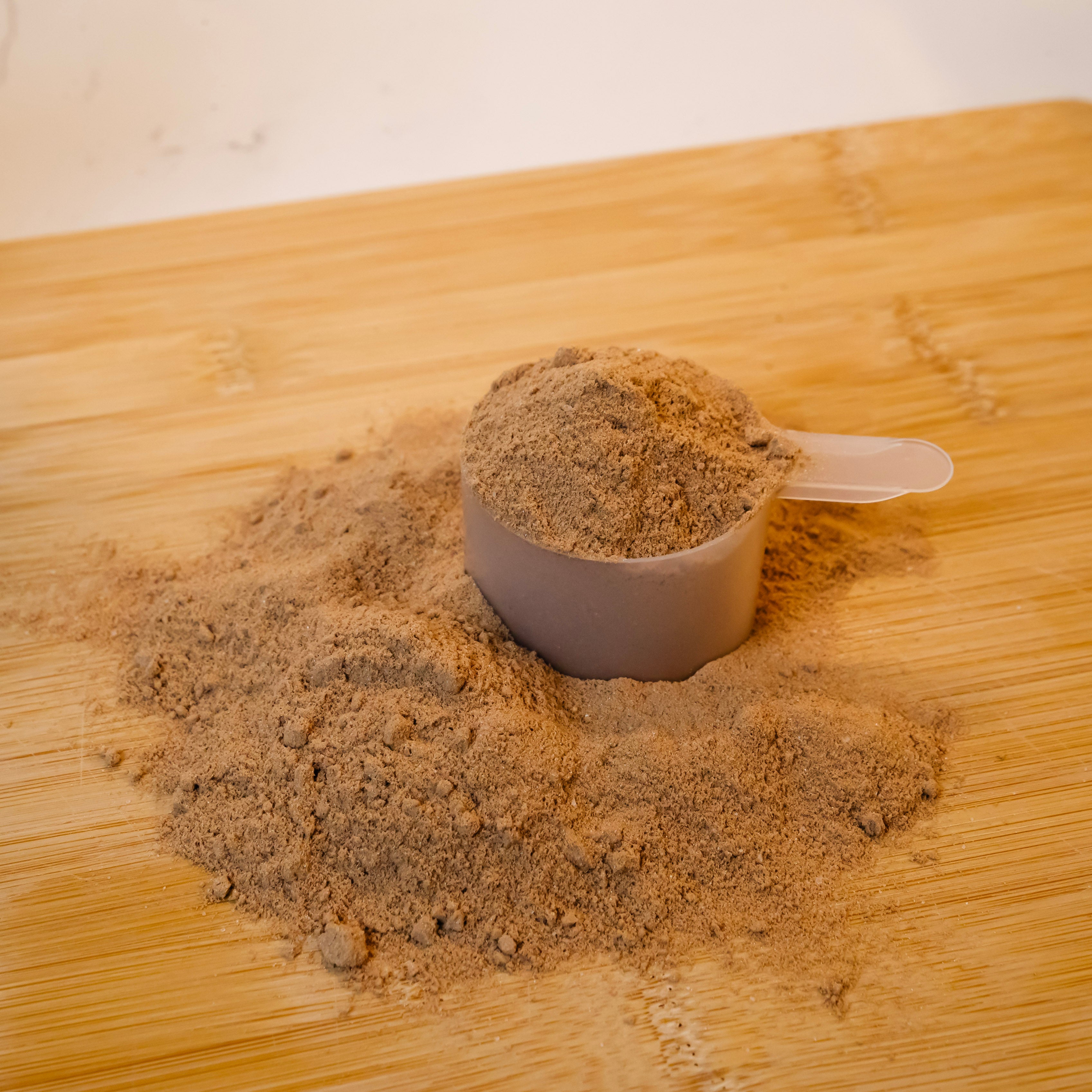
Creatine and Mental Health Creatine is best known for improving strength and muscle performance, but over the past decade researchers have begun exploring its effects on brain function and mood. Emerging evidence suggests that creatine may influence emotional health, particularly...

Read moreabout Creatine and Mood: What the Research Says About Depression, Stress, and Emotional Resilience