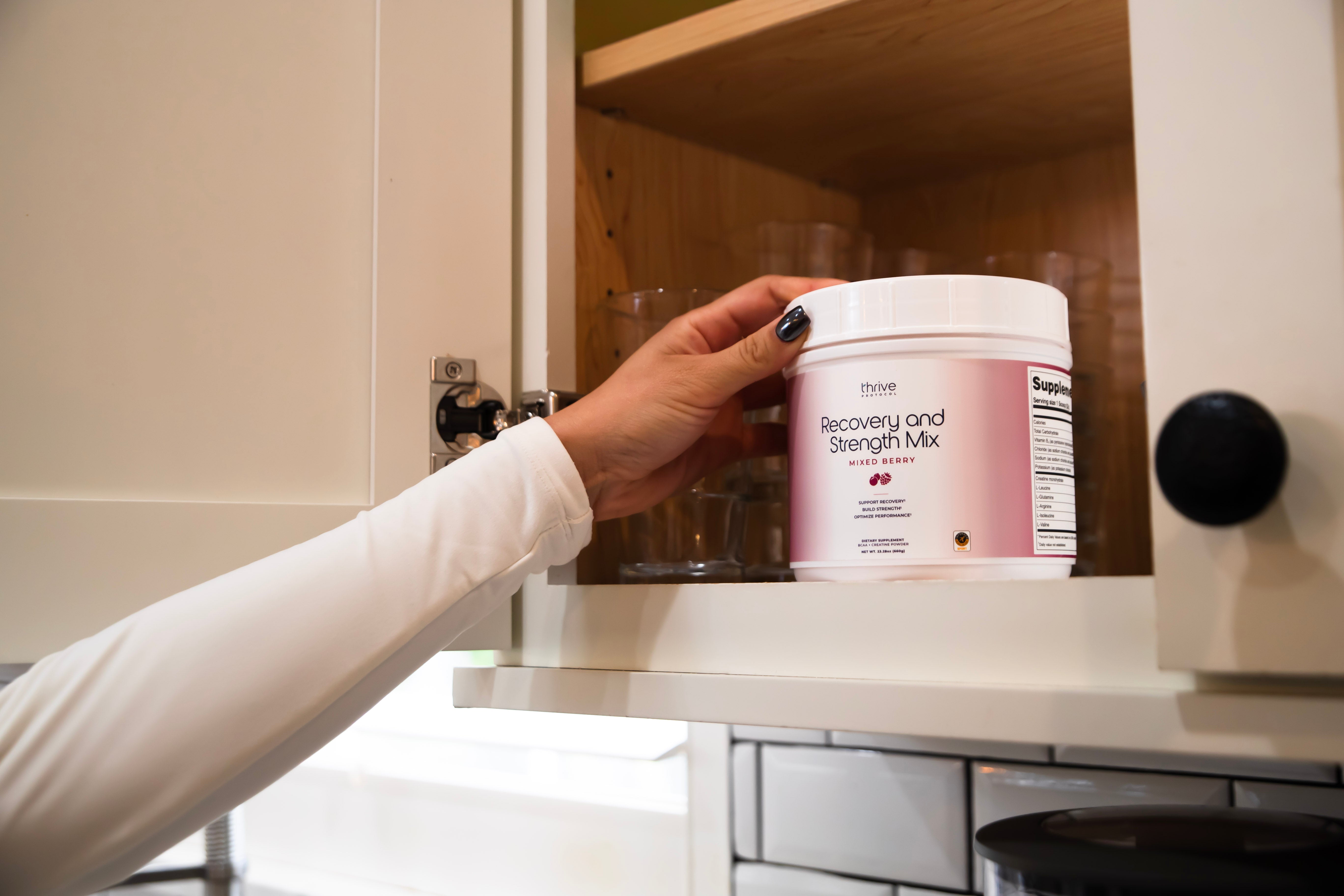

Creatine Series

Muscle Loss After 40: How Creatine Helps Prevent Age-Related Muscle Decline

Muscle Loss After 40: How Creatine Helps Prevent Age-Related Muscle Decline

Managing Muscle Loss in Middle Age Muscle loss does not suddenly begin at retirement. Longitudinal muscle biopsy and imaging studies demonstrate that skeletal muscle mass begins declining in the fourth decade of life, with reductions of approximately 3–8% per decade,...

Read moreabout Muscle Loss After 40: How Creatine Helps Prevent Age-Related Muscle Decline

Creatine for Brain Health: Evidence-Based Benefits for Memory, Focus, and Cognitive Performance

Creatine for Brain Health: Evidence-Based Benefits for Memory, Focus, and Cognitive Performance

Creatine For the Brain The human brain consumes roughly 20% of total resting metabolic energy despite representing only about 2% of body mass. Cognitive tasks requiring attention, memory consolidation, and executive function depend on continuous ATP regeneration. The phosphocreatine system...

Read moreabout Creatine for Brain Health: Evidence-Based Benefits for Memory, Focus, and Cognitive Performance

Creatine for Sleep Deprivation: Can It Reduce Mental Fatigue and Cognitive Decline?

Creatine for Sleep Deprivation: Can It Reduce Mental Fatigue and Cognitive Decline?

Fighting Fatigue with Creatine Sleep deprivation impairs attention, reaction time, working memory, and executive function. Even a single night of restricted sleep measurably reduces cognitive performance. Energy depletion contributes significantly to this decline. Sleep restriction, circadian misalignment, and prolonged cognitive...

Read moreabout Creatine for Sleep Deprivation: Can It Reduce Mental Fatigue and Cognitive Decline?

Creatine for Fatigue: Does It Help With Jet Lag, Travel Stress, and Long Workdays?

Creatine for Fatigue: Does It Help With Jet Lag, Travel Stress, and Long Workdays?

The Tool to Fight Fatigue If you’re feeling worn down, it may be your schedule. International travel and extended workdays impose metabolic strain and circadian disruption. Fatigue accumulates when ATP demand exceeds regenerative capacity. Sleep restriction, circadian misalignment, and prolonged...

Read moreabout Creatine for Fatigue: Does It Help With Jet Lag, Travel Stress, and Long Workdays?

Creatine for Women Over 50: Muscle Strength, Bone Density, and Healthy Aging

Creatine for Women Over 50: Muscle Strength, Bone Density, and Healthy Aging

Fighting Muscle Decline After Menopause Postmenopausal women experience accelerated declines in muscle mass and bone mineral density due to estrogen reduction. Research shows that women can lose approximately 1–2% of muscle mass per year after age 50, with strength declining even...

Read moreabout Creatine for Women Over 50: Muscle Strength, Bone Density, and Healthy Aging

Is Creatine Safe for Kidneys? What Research Says About Renal Health and Long-Term Use

Is Creatine Safe for Kidneys? What Research Says About Renal Health and Long-Term Use

What to Know About Creatine Creatine is one of the most researched supplements in sports nutrition and clinical performance science. Despite decades of data supporting its safety in healthy individuals, concerns about kidney damage persist. Most of this fear stems...

Read moreabout Is Creatine Safe for Kidneys? What Research Says About Renal Health and Long-Term Use

Creatine and Mood: What the Research Says About Depression, Stress, and Emotional Resilience

Creatine and Mood: What the Research Says About Depression, Stress, and Emotional Resilience
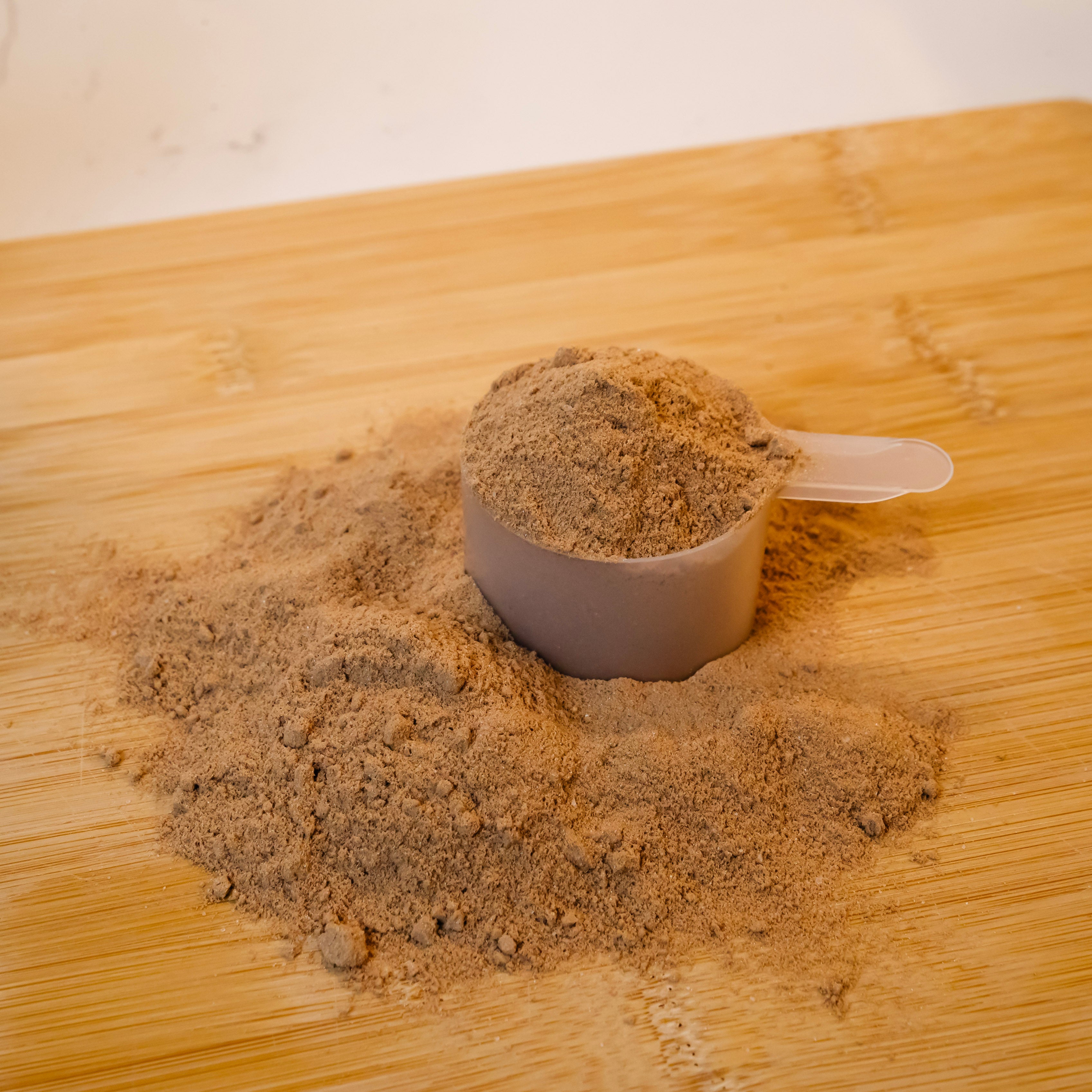
Creatine and Mental Health Creatine is best known for improving strength and muscle performance, but over the past decade researchers have begun exploring its effects on brain function and mood. Emerging evidence suggests that creatine may influence emotional health, particularly...

Read moreabout Creatine and Mood: What the Research Says About Depression, Stress, and Emotional Resilience