
Fighting Fatigue with Creatine
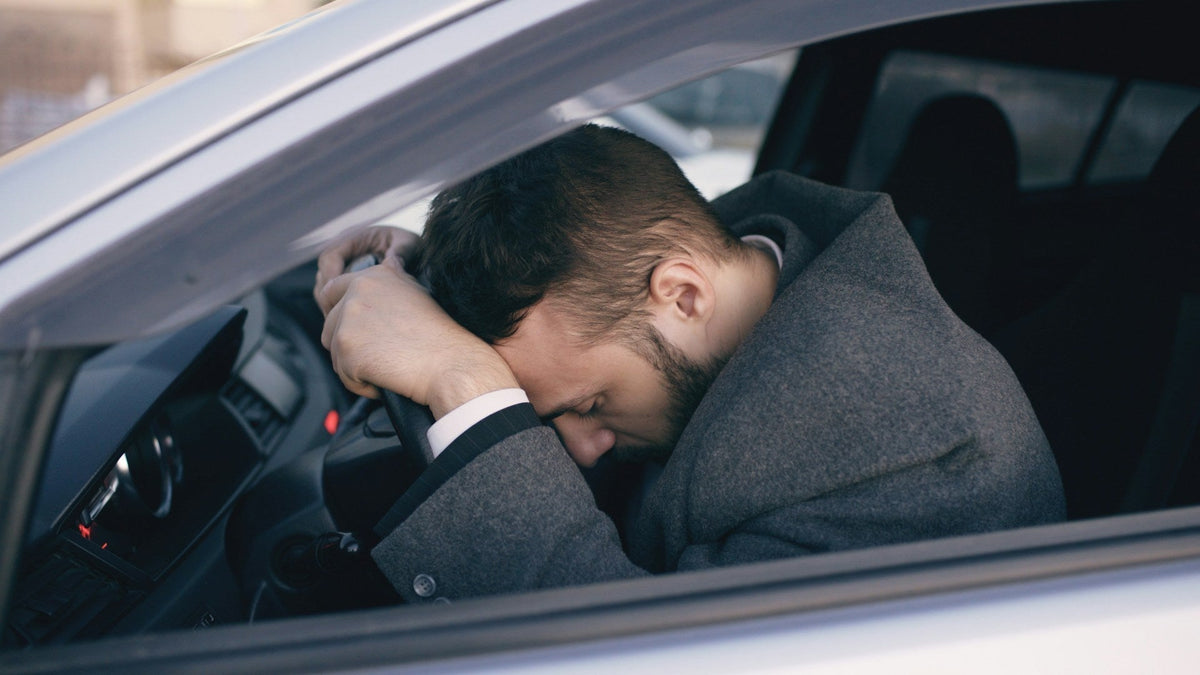
Sleep deprivation impairs attention, reaction time, working memory, and executive function. Even a single night of restricted sleep measurably reduces cognitive performance.
Energy depletion contributes significantly to this decline.
Sleep restriction, circadian misalignment, and prolonged cognitive demand increase cerebral ATP turnover and oxidative stress. Creatine supplementation increases phosphocreatine availability, potentially buffering energy instability during these states.
Controlled trials in sleep deprivation demonstrate improved reaction time, executive performance, and mood state stability compared with placebo. McMorris et al. demonstrated that individuals who took 5 grams of creatine 4 times per day for 7 days prior to 24 hours of sleep deprivation had improved cognitive performance compared to placebo. Cook et al. evaluated passing performance in rugby players and observed that declines following sleep deprivation were offset by creatine consumption.
Although creatine does not replace restorative sleep, it may blunt the cognitive cost of unavoidable deprivation with short term use of higher doses such as 20 grams providing potential benefit when performance is important but one is sleep deprived.

Recovery and Strength Mix - $49.99
References
-
McMorris T, Harris RC, Swain JP, et al. Effect of creatine supplementation and sleep deprivation on cognitive performance and mood state. Psychopharmacology (Berl). 2006;185:93–103.
-
Cook CJ, Crewther BT, Kilduff LP, et al. Skill execution and sleep deprivation: effects of acute creatine supplementation. J Int Soc Sport Nutr. 2011;8:2.
Creatine for Fatigue: Does It Help With Jet Lag, Travel Stress, and Long Workdays?
Creatine for Brain Health: Evidence-Based Benefits for Memory, Focus, and Cognitive Performance