


THE SHOULDER SLEEPER PILLOW
The Shoulder Sleeper Pillow™ is ideal for use after various surgical procedures, such as rotator cuff repairs, labral repairs, total and reverse total shoulder replacements. It also benefits those managing shoulder instabilities, like subluxations or dislocations, non-operatively.
Key Features
Compared to traditional slings, the Shoulder Sleeper Pillow™ offers superior comfort and stability. It includes built-in cushioning for multiple sleep positions, eliminates uncomfortable neck straps, and provides pressure relief for sensitive areas.
Who it is for and how to use it
This pillow is for sleeping after rotator cuff repair, labral repair or shoulder replacement, when lying flat with a sore arm feels impossible. Rather sleep in bed than a recliner? It cushions the arm in several positions. Order the side of your surgery and pick your size by height: Small for 5'3" to 5'9", Large for 5'10" to 6'8".
Set it up in bed a few days before surgery, while you still have two free hands. Ask your surgeon how your arm should rest at night and when to wear your sling. Your surgical team's instructions come first.
What to expect after surgery
- Before surgery: poor sleep is common with a torn rotator cuff. In the 4 studies that counted it, 40.8% to 89.0% of patients slept poorly before repair.2
- Months 1 to 3: expect some broken nights. In a study of 58 patients, sleep disturbance improved 3 to 6 months after arthroscopic repair.1
- By about 6 months: a review of 8 studies (1,034 patients) found steady gains in sleep quality in the 6 months after repair.2 Until then, keep the same setup every night.
Getting ready? See how to prepare your home for orthopedic surgery recovery. For food, read supplements after rotator cuff surgery and the shoulder surgery nutrition guide. The Surgical Protocol Kit starts about 1 week before surgery, and the Recovery Protocol Kit is for after.
1. Longo UG et al. Arthroscopic rotator cuff repair improves sleep disturbance and quality of life. Int J Environ Res Public Health. 2021;18(7):3797.
2. Kunze KN et al. Systematic review of sleep quality before and after arthroscopic rotator cuff repair. Orthop J Sports Med. 2020;8(12):2325967120969224.
Complete Surgical Nutrition Benefits
- 25 grams of Whey Protein
- High in Leucine (3g) and Glutamine to decrease muscle loss after surgery
- Loaded with Vitamins important for surgical recovery
- Made at a NSF certified facility
- The Surgical Nutritional Kit is HSA/FSA eligible
- Gluten Free
- Non-denatured protein
- Produced in USA
Key Features
Compared to traditional slings, the Shoulder Sleeper Pillow™ offers superior comfort and stability. It includes built-in cushioning for multiple sleep positions, eliminates uncomfortable neck straps, and provides pressure relief for sensitive areas.
Indications for Use
The Shoulder Sleeper Pillow™ is ideal for use after various surgical procedures, such as rotator cuff repairs, labral repairs, total and reverse total shoulder replacements. It also benefits those managing shoulder instabilities, like subluxations or dislocations, non-operatively.
Pairs well with
Frequently Asked Questions
Do you have to have surgery to use The Shoulder Sleeper Pillow?
The Shoulder Sleeper Pillow is designed for use after shoulder surgery or for those suffering from shoulder pain who have not had surgery.
Does The Shoulder Sleeper completely replace my sling?
No. The Shoulder Sleeper Pillow is designed for sleeping and lounging only. The Shoulder Sleeper is not designed for use while walking.
How does OptiFuel help with surgical recovery?
OptiFuel is designed to support surgical recovery with 25 grams of protein, high levels of Leucine and Glutamine to reduce muscle loss, and essential vitamins for healing. It's made in an NSF-certified facility, gluten-free, non-denatured, and HSA/FSA eligible.
Can I use my Shoulder Sleeper Pillow on Both arms?
The Shoulder Sleeper currently fits on one side of the body only. For example, if you are looking for a pillow for your right arm, you must buy a right arm pillow.
What Can I Do If My Glucose Levels Are Elevated After Surgery?
As mentioned, diet, including order of food is important. Ideally, elevations are prevented.
However, if your levels are elevated after eating there are some “hacks” you can use as well:
1) Drink lots of water
2) Go for a walk or exercise within 1 hour of eating
If you have consistently elevated levels despite eating well and exercising, you may have undiagnosed diabetes or “pre-diabetes” and should consider discussing with your primary care physician.
How should I use OptiFuel before and after surgery?
Mix one packet of OptiFuel with 12-16 oz of water, milk, or non-dairy milk, and shake for 30 seconds until dissolved. Start 1-2 weeks before surgery to prepare your body and continue for 2-3 weeks after surgery or up to 6 months for optimal recovery.
What is OptiCharge and when should I take it?
OptiCharge is a complex carbohydrate drink that helps reduce the biochemical stress of surgery. Simply drink one packet the night before surgery, just before going to bed, to prepare your body for the procedure.


Surgical Protocol Kit
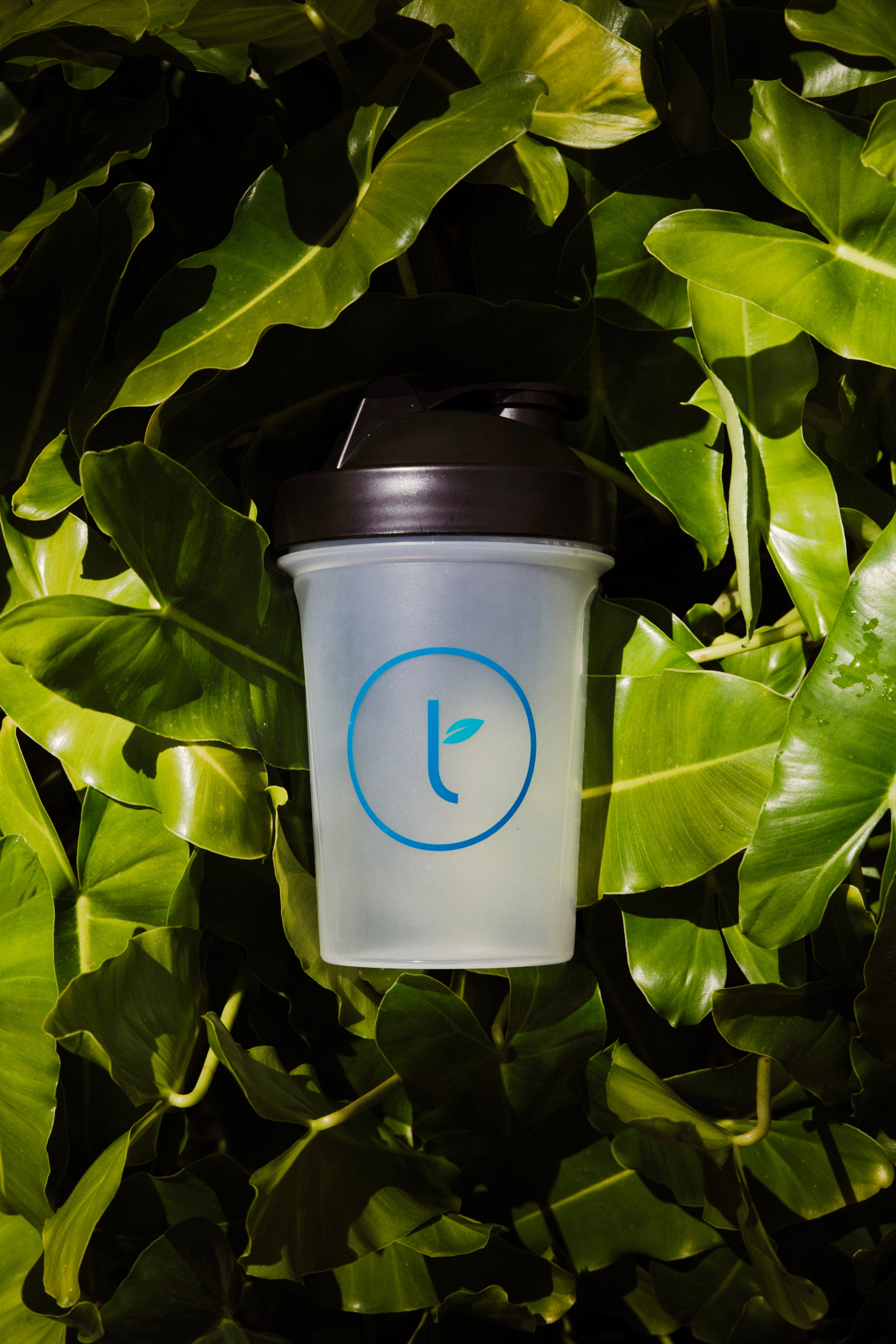
The Surgical Protocol Kit is designed for those having upcoming surgery. It is designed to support faster recovery with 25 grams of high-quality whey protein, plus 3 grams of leucine, glutamine, collagen, omegas, curcumin, and essential vitamins for surgical recovery. This gluten-free, non-denatured protein helps your body heal effectively. Made in the USA and Informed Sport tested, it includes a 4 week, 3, or 6-month supply of OptiFuel, 2 packs of OptiCharge, and a branded shaker bottle. HSA/FSA eligible.
What happens after you start
Your surgical team's instructions come first. Buying a gift? Order early so they start on time.
- About 1 week before surgery: one OptiFuel packet a day. ESPEN puts surgical protein needs at about 1.5 g per kg of ideal body weight daily: 70 kg x 1.5 = 105 g, so one 25 g packet covers about a quarter.1 Kidney disease? Ask your doctor first.
- The night before: 2 OptiCharge packets at bedtime, each in 12 to 16 oz of water, within your fasting rules. In one trial, a carb drink the evening before and morning of surgery left people less hungry and anxious than fasting.2 Diabetes? Ask first.
- Week 1 at home: when meals feel hard, keep the packet going. It sips through a straw.
- Weeks 2 to 6: pair it with physical therapy. In a small knee replacement trial, amino acids from 1 week before to 2 weeks after surgery meant less thigh muscle loss by week 6 (about 6% vs 18% on placebo). That was an amino acid formula, not OptiFuel.3
- After week 6: ask your surgeon whether to continue.
Fish oil did not raise bleeding risk in a 1,516-patient heart surgery trial,4 and OptiFuel has only a small amount, so no need to stop it. Check with your surgeon, especially if you take a blood thinner. Creatine and arginine come only in the Recovery and Strength Mix.
More: our Surgical Protocol Kit review, best supplements for surgery recovery, the carb loading drink guide and what to eat after surgery.
These statements have not been evaluated by the Food and Drug Administration. This product is not intended to diagnose, treat, cure, or prevent any disease.
1. Weimann A et al. ESPEN guideline: clinical nutrition in surgery. Clin Nutr. 2017;36(3):623-650.
2. Hausel J et al. A carbohydrate-rich drink reduces preoperative discomfort in elective surgery patients. Anesth Analg. 2001;93(5):1344-50.
3. Dreyer HC et al. Essential amino acid supplementation in patients following total knee arthroplasty. J Clin Invest. 2013;123(11):4654-66.
4. Akintoye E et al. Fish oil and perioperative bleeding. Circ Cardiovasc Qual Outcomes. 2018;11(11):e004584.